2025 Payment Token Regulations: Understanding Compliance in Crypto
As of 2024, the cryptocurrency industry continues to evolve rapidly, with significant variations in regulation across different jurisdictions. Recent data indicates that over $4.1 billion was lost to DeFi hacks in 2024 alone, raising alarms about the security and compliance of payment tokens. Why should this matter to you? In this article, we’ll dive deep into payment token regulations and explore how they impact both users and providers in the crypto space.
Understanding Payment Tokens
Payment tokens are digital assets that are utilized for transactions. Unlike cryptocurrencies used for investment purposes, such as Bitcoin or Ethereum, payment tokens are primarily designed for facilitating payments. Public perception often associates payment tokens with high volatility and regulatory scrutiny.
The Role of Regulations
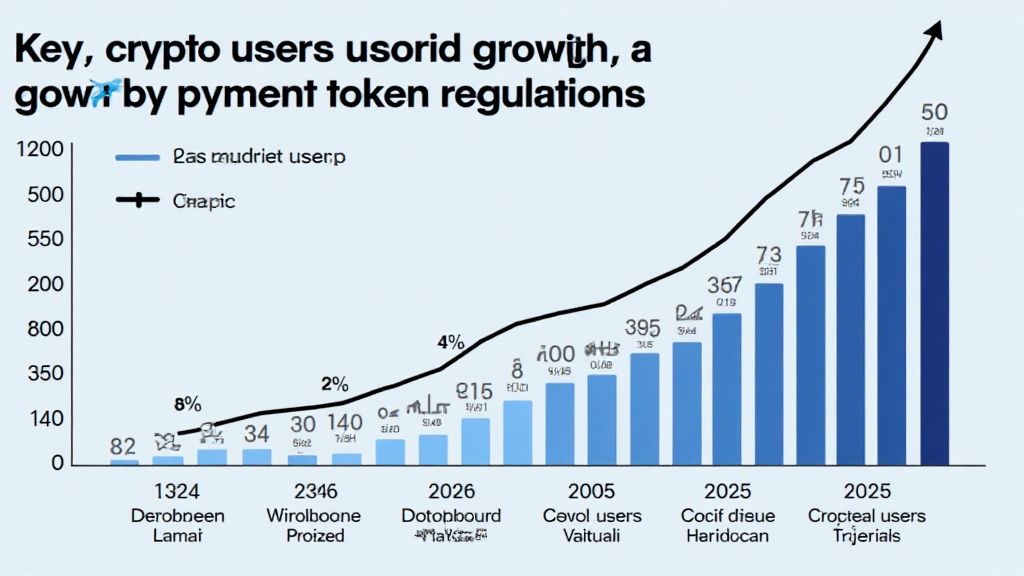
Regulatory frameworks around payment tokens aim to protect consumers, prevent fraud, and ensure market integrity. The rise of payment token regulations correlates with an increase in the market, and as of 2025, we are observing a significant uptick in compliance efforts across multiple jurisdictions.
Key Regulatory Developments in 2025
In 2025, several groundbreaking regulations are being implemented worldwide. One of the most notable is the European Union’s MiCA (Markets in Crypto-Assets) Regulation aimed at providing a unified framework across member states.
Vietnam’s Market Growth
Interestingly, Vietnam has witnessed a remarkable growth rate in cryptocurrency adoption, with estimates reporting a 38% increase in active users in the past year. With this growth comes the necessity for appropriate regulatory frameworks to govern payment tokens within the growing ecosystem.
- Increasing user base calls for stringent regulations
- Protecting users from potential risks
Challenges in Enforcing Regulations
Even with the advancement of regulatory measures, challenges remain. The decentralized nature of cryptocurrencies makes it difficult for regulators to enforce compliance effectively. Moreover, many players in the crypto space are not transparent about their operations, complicating regulatory oversight.
Examples of Compliance Pitfalls
Here’s the catch: non-compliance can have serious repercussions, including fines and operational bans. Without proactive measures, crypto platforms may inadvertently find themselves on the wrong side of the law.
- Failure to implement Know Your Customer (KYC) guidelines
- Inadequate reporting of suspicious transactions
Future Outlook for Payment Token Regulations
As we advance towards 2025, it’s clear that payment token regulations will become more complex. Industry stakeholders must navigate this regulatory minefield while ensuring their operations remain compliant.
Staying Ahead of the Curve
To survive and thrive in this demanding environment, crypto platforms need to invest in robust compliance frameworks. Tools such as automated compliance solutions and regular audits will become invaluable. For example, platforms can adopt ledger systems that enhance transparency and traceability, reducing the likelihood of regulatory infringements.
Conclusion
In conclusion, understanding and adhering to payment token regulations in 2025 is crucial for the success of any crypto platform. By prioritizing compliance, stakeholders can not only protect their operations but also contribute to a more secure and trustworthy market. With the influx of regulations due to rapid industry growth, it is vital to stay informed and prepared.
As the cryptocurrency landscape continues to evolve, it is essential to remain vigilant about compliance. Cryptocurrency platforms must establish robust regulatory frameworks to ensure they don’t fall victim to the emerging challenges posed by regulations. For more insights on crypto regulations, feel free to explore hibt.com.