Introduction
With the rapidly evolving landscape of blockchain technology, the concept of
What are Crypto Restaking Protocols?
Crypto restaking protocols are mechanisms that allow users to reinvest their staked assets back into the network, generating additional rewards while maintaining their original investment. Think of it as a snowball effect – the more you stake, the more you earn.
ong>Enhanced Security: ong> By participating in restaking, users contribute to the security of the network, making it harder for malicious actors to attack.ong>Increased Rewards: ong> Users can potentially increase their yields by restaking through various platforms.
How Do Restaking Protocols Work?
The mechanics of restaking involve locking up a significant portion of your cryptocurrency in a staking contract. Each time new blocks are validated, stakers earn rewards in the form of native tokens or additional staking rewards. The process can be broken down like this:
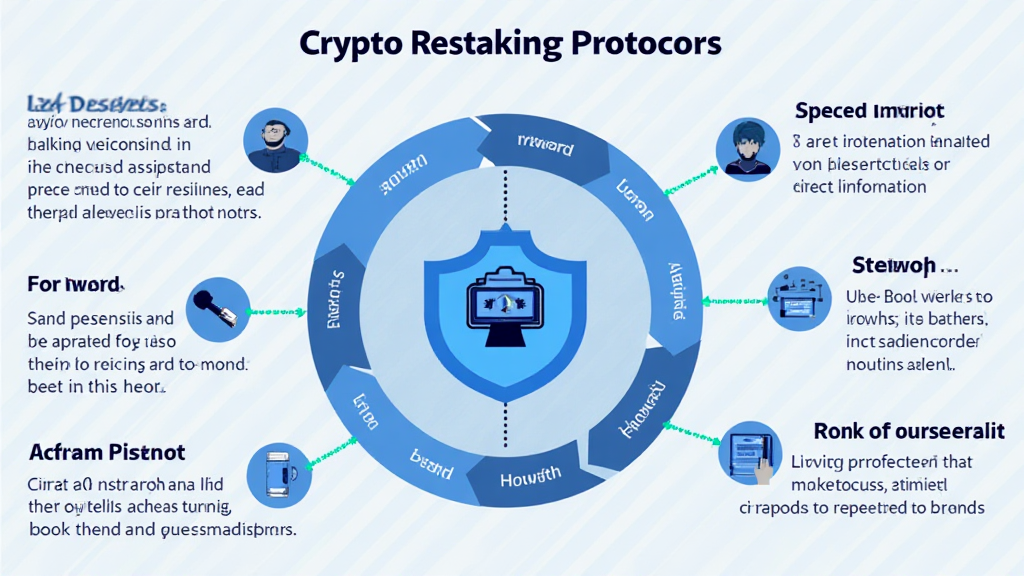
- Users choose a staking provider or platform.
- Users lock their assets into the staking contract.
- Rewards are automatically reinvested into the pool for continuous growth.
Restaking in the Context of Vietnamese Market
The Vietnam cryptocurrency market has been rapidly growing, with user growth rates reaching over 150% annually. This surge indicates that more users are now considering restaking as a viable option for asset growth and security.
In fact, so many Vietnamese crypto enthusiasts are now aware of
Real-World Application of Restaking Protocols
When considering how restaking protocols can be applied, imagine a traditional bank vault. Just like how you deposit money into a vault to keep it safe while earning interest, restaking allows crypto users to secure their assets while generating additional rewards. Here are a few examples of platforms utilizing restaking effectively:
ong>Ethereum 2.0: ong> As Ethereum transitions to proof of stake, restaking has become essential in creating a secure and decentralized network.ong>Polkadot: ong> Users can participate in the network’s governance while earning rewards through restaking.
Potential Risks and Challenges
While restaking presents numerous advantages, it also comes with its risks:
ong>Smart Contract Vulnerabilities: ong> Bugs or exploits in smart contracts can lead to substantial losses.ong>Market Volatility: ong> Restaked assets remain tied up for extended periods, which may result in losses due to market fluctuations.
How to Successfully Navigate Restaking
To maximize the benefits of restaking while minimizing risks, consider the following tips:
- Research and choose reputable platforms with proven track records.
- Diversify your staking assets to mitigate potential losses.
- Stay updated with the current market trends and protocol changes.
The Future of Crypto Restaking Protocols
As the blockchain ecosystem grows, restaking protocols will likely play a crucial role in asset management and security. According to a Chainalysis report from 2025, adoption rates of restaking are anticipated to rise significantly as more users recognize the importance of secure asset management.
Conclusion
In conclusion, understanding
Developing Expertise in Restaking
As you explore restaking, remember to keep safety and long-term value in mind. The landscape is still evolving, and with the right strategies, you can ensure that your assets are both secure and productive.
Explore more on this topic at hibt.com where we provide insights and resources into crypto investments.
Authored by