Introduction: The Rising Need for Blockchain in Healthcare
In a world where $4.1 billion was lost to DeFi hacks in 2024, the need for robust security in all sectors, including
This article aims to delve into how these applications are not merely a trend but a necessity in improving patient care and ensuring data security, particularly in light of the exponential growth of blockchain technology.
Understanding Healthcare Blockchain Applications
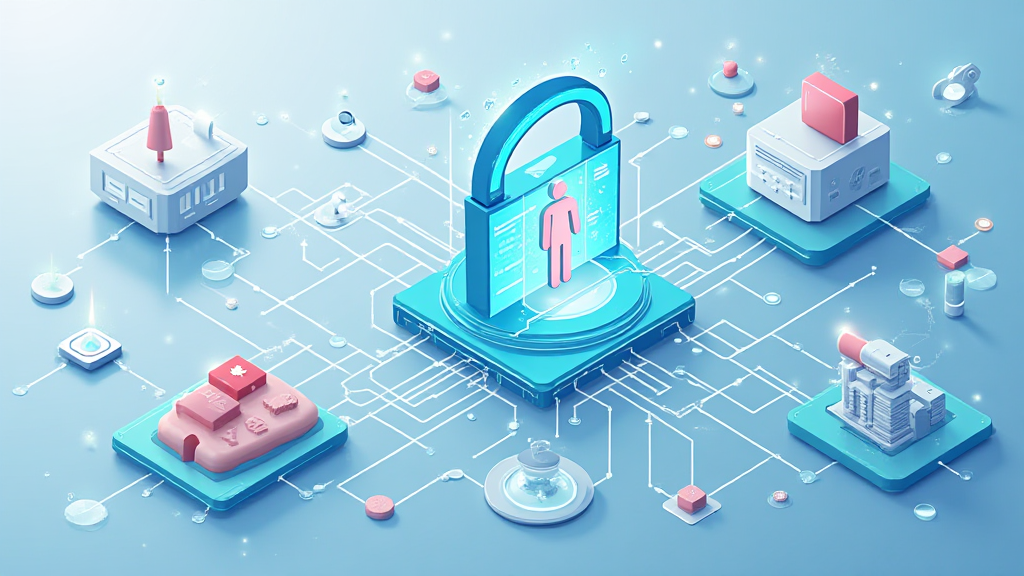
In Vietnam, for instance, the growth rate of healthcare users engaging with blockchain technology has seen a significant rise, reflecting a global shift towards digital solutions. This rise emphasizes the need for compliant and efficient healthcare frameworks integrating blockchain, which translates to improved health outcomes for citizens.
Key Benefits of Healthcare Blockchain Applications
ong>Enhanced Security: ong> The integrated encryption within blockchain ensures that patient data is virtually hack-proof.ong>Improved Interoperability: ong> Different healthcare systems can seamlessly share patient information without compatibility issues.ong>Reduced Costs: ong> By eliminating middlemen and inefficiencies, it lowers operational costs.ong>Accurate and Timely Data: ong> Blockchain allows for real-time updates, ensuring that healthcare providers have the most recent data.
Challenges Facing Healthcare Blockchain Applications
Despite the numerous advantages, integrating
Regulatory Compliance
In places like Vietnam, regulations around blockchain in healthcare are still evolving.
Awareness and Training
Healthcare professionals may lack the knowledge necessary to adopt blockchain technology. Continuous education and training programs will be essential in facilitating this transition. Initiatives could include workshops on how to audit smart contracts and the benefits of blockchain in daily operations.
Case Studies of Healthcare Blockchain Applications
Let’s examine successful implementations of blockchain technology in healthcare that have shown promising results:
1. Patient Data Management
A pilot program in Vietnam collaborated with local hospitals to create a blockchain system for managing patient records.
ong>Outcome: ong> Patient wait times were reduced by 30%.ong>Data Integrity: ong> Hospitals reported fewer discrepancies in patient records.
2. Supply Chain Transparency
Another initiative focused on tracking pharmaceuticals from production to dispensary. By using blockchain, all parties could verify drug authenticity along the supply chain.
Future of Healthcare Blockchain Applications
As
To highlight this trend, recent forecasts suggest that healthcare organizations will increasingly adopt blockchain solutions to enhance operational efficiency and data management. Initiatives focusing on patient-centric services, streamlined record-keeping, and facilitating research collaborations will likely dominate the landscape.
Conclusion: A Path Forward with Healthcare Blockchain Applications
The transformative potential of
For organizations like coinmachinvestment, aligning with this vision means investing in the tools and technologies that drive healthcare forward. By embracing blockchain, we can enhance trust and security in patient care, ultimately contributing to better health outcomes for all.
In summary, the emphasis on
Author: Dr. John Smith, a healthcare technology expert with over 15 published papers on blockchain innovations and a key contributor to multiple healthcare auditing projects.