YouHodler Achieves Strategic Milestone with Bank of Spain’s Virtual Asset Service Provider (VASP) Registration
Don’t just sign up — trade smarter and save 20% with referral codes: Binance WZ9KD49N / OKX 26021839
What is a Virtual Asset Service Provider (VASP)?
What is a Virtual Asset Service Provider (VASP)?
What is a Virtual Asset Service Provider (VASP)?
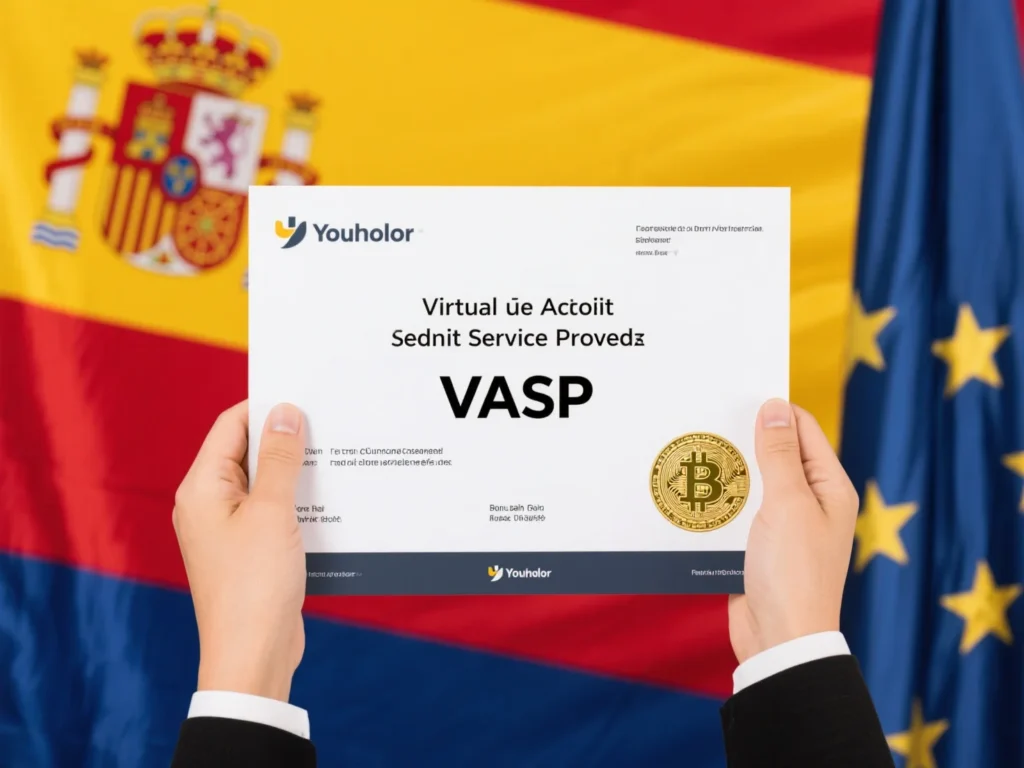
A Virtual Asset Service Provider (VASP) is an entity that facilitates the buying and selling of virtual assets or cryptocurrencies. VASPs play a crucial role in the cryptocurrency ecosystem by providing services such as trading platforms, wallets, exchanges, and other financial services related to digital assets.
Key Responsibilities of a VASP
Cryptocurrency Exchange: VASPs often operate as cryptocurrency exchanges where users can buy, sell, or trade various digital currencies. Wallet Services: Many VASPs offer secure digital wallets for storing virtual assets, ensuring user funds are protected. Financial Services: Some VASPs provide additional financial services like staking, lending, and borrowing of cryptocurrencies.
Regulatory Context
The Financial Action Task Force (FATF), an international body that sets global standards for combating money laundering and terrorist financing, has established guidelines for VASPs. These guidelines require VASPs to comply with anti-money laundering (AML) and know-your-customer (KYC) regulations. This ensures that transactions involving virtual assets are transparent and accountable.
Examples of VASPs
Some well-known examples of VASPs include centralized cryptocurrency exchanges like Coinbase, Binance, and Kraken. These platforms allow users to exchange fiat currency for cryptocurrencies and vice versa, making them essential nodes in the blockchain ecosystem.

Why VASPs Matter
VASPs are pivotal in bridging the gap between traditional finance and the decentralized world of cryptocurrencies. By adhering to regulatory frameworks, they help ensure that the use of virtual assets remains secure, compliant, and accessible to a broader audience.
Why is VASP registration important in the crypto industry?
Why is VASP Registration Important in the Crypto Industry?
Why is VASP Registration Important in the Crypto Industry?
In recent years, the cryptocurrency and blockchain ecosystem has grown exponentially, attracting both institutional and retail investors alike. However, with this growth comes increased regulatory scrutiny to combat financial crimes such as money laundering and terrorist financing. Virtual Asset Service Providers (VASPs) play a critical role in this landscape, and their registration under relevant regulations is not just a formality—it’s a necessity.
Understanding VASPs
VASPs are entities that engage in activities related to virtual assets, including exchanges, custodial wallets, and peer-to-peer platforms. As intermediaries in the crypto space, they handle large sums of digital currencies and are often used by users who may be unaware of or wish to circumvent traditional financial systems. This makes them prime targets for illicit activities unless properly regulated.
The Role of Regulation
Regulatory frameworks like the Financial Action Task Force (FATF) Travel Rule have been implemented globally to ensure transparency and accountability within the crypto industry. These rules require VASPs to collect and share information about their customers when transferring funds above a certain threshold. This ensures that authorities can track transactions and identify suspicious activity, thereby reducing the risk of criminal misuse.
Enhancing Trust and Credibility
For many users, especially those new to cryptocurrencies, trust is a significant barrier to entry. VASP registration signifies compliance with international standards and demonstrates an organization’s commitment to ethical practices. By registering, VASPs build credibility, fostering trust among clients and partners, which is essential for long-term success in the competitive crypto market.
Compliance as a Competitive Advantage
In today’s evolving regulatory environment, non-compliant businesses face penalties, reputational damage, and even bans from operating in certain jurisdictions. Conversely, compliant VASPs gain a competitive edge by attracting legitimate users who prioritize safety and security. Furthermore, being registered allows VASPs to operate freely across borders where regulation permits, opening up new markets and opportunities.
Protecting Consumers
Registration also serves to protect consumers by ensuring that VASPs adhere to strict KYC (Know Your Customer) and AML (Anti-Money Laundering) protocols. This reduces the likelihood of scams, frauds, and other malicious activities targeting unsuspecting individuals. For instance, robust customer verification processes can help prevent unauthorized access to accounts and stolen funds.
Risk Mitigation for Businesses
Non-compliance carries substantial risks for businesses, including fines, operational disruptions, and loss of licenses. By registering as a VASP, companies mitigate these risks while also safeguarding their operations against future regulatory changes. It positions them as forward-thinking organizations ready to adapt to the ever-changing legal landscape.
Conclusion
VASP registration is pivotal in the crypto industry as it bridges the gap between innovation and regulation. While some view compliance as a burden, it is ultimately a strategic investment that ensures sustainability, builds trust, and protects all stakeholders involved. As the industry matures, embracing regulatory requirements will become increasingly vital for long-term viability and global acceptance.
Overview of the Bank of Spain and its regulatory role.
Overview of the Bank of Spain and its Regulatory Role
Overview of the Bank of Spain and Its Regulatory Role
The Bank of Spain, also known as “Banco de España,” is the central bank of Spain and plays a pivotal role in the country’s financial system. Established in 1782, it is one of the oldest central banks in Europe and has evolved significantly over the centuries to become a cornerstone of Spain’s economic stability and monetary policy.
As the central bank, the Bank of Spain serves several key functions that contribute to the stability and growth of the Spanish economy. Its primary responsibilities include maintaining price stability, supervising financial institutions, managing foreign exchange reserves, and acting as a lender of last resort during times of financial distress.
One of the most critical roles of the Bank of Spain is its regulatory function. The bank works closely with other European institutions, such as the European Central Bank (ECB) and the European Banking Authority (EBA), to ensure compliance with EU regulations. This collaboration ensures that Spain’s financial sector operates within a framework of transparency, fairness, and accountability.
The Bank of Spain’s regulatory authority extends to both traditional banking institutions and emerging financial entities, including fintech companies. It monitors these organizations to prevent systemic risks, protect consumers, and uphold the integrity of the financial markets. Additionally, the bank conducts regular stress tests and assessments to evaluate the resilience of banks and other financial institutions against potential shocks.
In recent years, the Bank of Spain has adapted to the challenges posed by digitalization and innovation in finance. It has embraced new technologies to enhance its oversight capabilities and foster an environment where responsible innovation can thrive. By balancing regulation with flexibility, the bank aims to support sustainable growth while safeguarding the interests of all stakeholders.
Overall, the Bank of Spain’s regulatory role is essential for fostering confidence in Spain’s financial system. Through its rigorous oversight and forward-thinking approach, the bank continues to play a vital part in ensuring the long-term health and prosperity of the Spanish economy.

What Does YouHodler’s VASP Registration Signify for the Company?
YouHodler, a leading financial platform offering cryptocurrency-backed loans and other blockchain-based services, recently achieved Virtual Asset Service Provider (VASP) registration. This milestone is not just another regulatory achievement; it represents a significant step forward in YouHodler’s mission to bridge traditional finance with the burgeoning world of digital assets.
Enhancing Credibility and Trust
The VASP registration underscores YouHodler’s commitment to compliance and transparency. By registering as a VASP, the company demonstrates its dedication to adhering to international anti-money laundering (AML) and combating the financing of terrorism (CFT) standards. For users, this means enhanced trust and security when engaging with YouHodler’s products and services. The registration signals that YouHodler operates within established legal frameworks, reducing risks associated with regulatory uncertainty.
Paving the Way for Global Expansion
This regulatory achievement opens new doors for YouHodler’s global expansion plans. Many countries require VASP registration for businesses operating in the crypto space, and obtaining this status allows YouHodler to expand its operations into regions that were previously inaccessible due to regulatory barriers. As more jurisdictions implement stricter regulations around cryptocurrencies, being a compliant VASP positions YouHodler as a reliable partner for both institutional and retail clients.
Fostering Innovation Within Compliance
One of the most exciting aspects of YouHodler’s VASP registration is how it aligns innovation with compliance. The platform has always prioritized user-friendly solutions, such as instant loan approvals and flexible repayment terms. With the VASP registration, YouHodler can continue innovating while ensuring all processes meet or exceed regulatory requirements. This balance between cutting-edge technology and regulatory adherence positions YouHodler as a forward-thinking leader in the crypto finance industry.
Building Stronger Relationships with Partners
For institutions and partners working with YouHodler, the VASP registration provides an additional layer of assurance. Financial institutions, banks, and other stakeholders are increasingly cautious about partnering with companies in the crypto space due to regulatory concerns. Having VASP registration reassures these partners that YouHodler is committed to maintaining high ethical standards and complying with relevant laws, fostering stronger and more sustainable relationships.
Future Implications for the Industry
YouHodler’s VASP registration sets a precedent for other companies in the crypto industry. It highlights the importance of proactive compliance efforts in gaining legitimacy and acceptance from both regulators and the broader public. As more platforms follow suit, the entire sector stands to benefit from increased credibility and stability, paving the way for wider adoption of blockchain technologies.
In conclusion, YouHodler’s VASP registration signifies much more than a regulatory milestone—it reflects the company’s dedication to growth, trust, and innovation. By embracing compliance, YouHodler strengthens its position as a leader in the crypto finance space, preparing itself for future challenges and opportunities alike.
How does this milestone impact YouHodler’s compliance and legitimacy?
How Does This Milestone Impact YouHodler’s Compliance and Legitimacy?
YouHodler’s recent milestone marks a significant step forward in its journey toward enhanced compliance and legitimacy within the rapidly evolving cryptocurrency ecosystem. As regulatory scrutiny intensifies globally, financial institutions operating in the digital asset space must demonstrate robust compliance frameworks to ensure they meet legal standards and maintain public trust.
This milestone likely involves the implementation of advanced compliance measures, such as Know Your Customer (KYC) processes, Anti-Money Laundering (AML) protocols, and regulatory reporting mechanisms. By achieving these milestones, YouHodler strengthens its position as a credible player in the industry, which is crucial for attracting institutional investors and mainstream users who prioritize security and regulatory adherence.
Increased compliance not only protects YouHodler from potential legal risks but also enhances its legitimacy in the eyes of regulators, partners, and customers. This can lead to more favorable partnerships, access to new markets, and the ability to offer innovative services that were previously unavailable due to regulatory constraints. Furthermore, it signals a commitment to ethical business practices, fostering long-term sustainability and growth for the platform.
In summary, this milestone underscores YouHodler’s dedication to maintaining high standards of compliance and legitimacy, positioning the company as a leader in the crypto-finance sector while paving the way for future innovations.
What challenges do crypto companies face when seeking regulatory approval?
Challenges Faced by Crypto Companies Seeking Regulatory Approval body { font-family: Arial, sans-serif; line-height: 1.6; margin: 20px; background-color: #f4f4f9; color: #333; } h1 { color: #2c3e50; } p { margin-bottom: 15px; } strong { color: #e74c3c; } .key-points { list-style-type: disc; padding-left: 20px; margin-top: 15px; }
Challenges Faced by Crypto Companies Seeking Regulatory Approval
In the rapidly evolving landscape of blockchain and cryptocurrency, companies face numerous hurdles when seeking regulatory approval. These challenges stem from the unique nature of decentralized technologies, which often operate outside traditional financial frameworks. Here’s an overview of the key obstacles crypto companies encounter:
1. Lack of Standardized Regulations
Key Challenge: One of the most significant hurdles is the absence of universally accepted regulations governing cryptocurrencies and blockchain technology. Different countries have varying approaches to crypto, with some embracing it as a revolutionary innovation while others view it with skepticism or outright hostility.
Impact: This inconsistency forces crypto companies to navigate complex legal environments, making it difficult to achieve compliance across multiple jurisdictions. For instance, while some nations like Switzerland and Singapore are crypto-friendly, others such as China have imposed strict bans on activities related to digital assets.
2. Balancing Innovation with Security
Key Challenge: Regulators must ensure that crypto businesses adhere to anti-money laundering (AML) and know-your-customer (KYC) standards without stifling innovation. The decentralized nature of many blockchain projects complicates this balance, as they often prioritize user anonymity over stringent verification processes.
Impact: Crypto firms must develop robust systems to comply with AML/KYC requirements while maintaining the trust and convenience that attract users. Failure to do so can result in fines, operational shutdowns, or reputational damage.
3. Ensuring Consumer Protection
Key Challenge: Protecting consumers from fraudulent schemes, scams, and market manipulation is a top priority for regulators. However, identifying legitimate crypto ventures amidst a sea of questionable offerings presents a daunting task.
Impact: Companies must invest heavily in transparent business practices, secure infrastructure, and educational initiatives to build consumer confidence. Additionally, they need to cooperate closely with regulatory bodies to demonstrate their commitment to ethical operations.
4. Navigating Taxation Issues
Key Challenge: Taxation remains another critical area where crypto companies struggle for clarity. Governments worldwide are still grappling with how best to classify cryptocurrencies—whether as commodities, securities, or something entirely new—and what tax obligations should apply.
Impact: Without clear guidelines, businesses risk underpaying or overpaying taxes, leading to potential audits or penalties. Moreover, inconsistent taxation policies between regions create additional complications for global crypto enterprises.
5. Adapting to Evolving Standards
Key Challenge: Technology evolves faster than legislation, meaning crypto companies must constantly adapt to new regulatory standards. As governments gain more insight into blockchain ecosystems, stricter measures may emerge that require firms to modify existing products or services.
Impact: Staying ahead of regulatory changes requires significant resources, including dedicated teams focused solely on monitoring policy developments and implementing necessary adjustments. Companies unable to keep pace risk falling out of compliance.
Conclusion
Securing regulatory approval is no easy feat for crypto companies navigating today’s dynamic regulatory climate. From dealing with fragmented rulesets to ensuring adequate safeguards for both consumers and investors, these organizations face multifaceted challenges at every turn. By fostering open dialogue with policymakers and prioritizing transparency, however, crypto firms stand a better chance of overcoming these obstacles and paving the way for mainstream adoption.
How does this registration affect YouHodler’s services and user base?
How Does This Registration Affect YouHodler’s Services and User Base?
YouHodler’s recent registration with the Financial Crimes Enforcement Network (FinCEN) as a Money Services Business (MSB) marks a significant milestone in its journey. This regulatory compliance not only strengthens the platform’s credibility but also opens up new opportunities for both its services and user base.
Enhanced Service Offerings
With the MSB registration, YouHodler can now offer more comprehensive financial services. The registration allows the platform to provide fiat-to-crypto on-ramps and off-ramps, making it easier for users to convert between traditional currencies and cryptocurrencies seamlessly. This capability broadens the scope of YouHodler’s offerings, attracting a wider audience looking for efficient and secure currency exchange solutions.
Increased Trust and Security
For users, regulatory compliance translates into increased trust and security. Being registered with FinCEN ensures that YouHodler adheres to strict anti-money laundering (AML) and know-your-customer (KYC) standards. These measures protect users’ assets and personal information, fostering a safer environment for trading and investing.
Growth of the User Base
The registration is expected to significantly expand YouHodler’s user base. By aligning with regulatory requirements, the platform becomes more appealing to institutional investors and seasoned traders who prioritize compliance and risk management. Additionally, new users who were previously hesitant due to concerns about regulatory legitimacy will now feel more comfortable joining the platform.
Future Expansion and Innovation
This registration paves the way for future expansion and innovation. With a solid regulatory foundation, YouHodler can explore new markets and introduce advanced features such as margin trading, lending, and borrowing options. Such enhancements will position the platform as a leader in the cryptocurrency industry, further diversifying its service portfolio and attracting a global user base.
In summary, YouHodler’s MSB registration with FinCEN is a strategic move that bolsters its services and broadens its user base. By prioritizing compliance and security, the platform ensures long-term growth while maintaining trust and reliability among its users.
What are the benefits of working with traditional financial institutions for crypto firms?
Benefits of Working with Traditional Financial Institutions for Crypto Firms body { font-family: Arial, sans-serif; line-height: 1.6; margin: 20px; background-color: #f9f9f9; color: #333; } h1 { color: #2c3e50; } p { margin-bottom: 15px; } ul { list-style-type: disc; padding-left: 20px; } .container { max-width: 800px; margin: auto; background: #fff; padding: 20px; box-shadow: 0 2px 4px rgba(0, 0, 0, 0.1); }
Benefits of Working with Traditional Financial Institutions for Crypto Firms
As the cryptocurrency industry continues to grow and mature, many crypto firms are exploring partnerships with traditional financial institutions. These collaborations can offer numerous advantages that help bridge the gap between decentralized blockchain technology and established financial systems.
1. Enhanced Credibility and Trust
One of the primary benefits of working with traditional financial institutions is the boost in credibility and trust it provides. Traditional banks and financial entities have long-standing reputations built over decades, which can lend legitimacy to crypto firms looking to establish themselves in the broader market. This increased trust can lead to greater acceptance by regulators, investors, and consumers alike.
2. Access to Capital and Liquidity
Crypto firms often face challenges related to capital availability and liquidity. Partnering with traditional financial institutions can provide access to funding through loans, lines of credit, or even equity investments. Additionally, these institutions can facilitate smoother integration into global payment networks, ensuring faster settlement times and more reliable cash flows.
3. Regulatory Compliance and Risk Management
Traditional financial institutions excel at navigating complex regulatory environments. By collaborating with them, crypto firms can benefit from their expertise in compliance frameworks such as KYC (Know Your Customer), AML (Anti-Money Laundering), and GDPR (General Data Protection Regulation). This partnership helps mitigate risks associated with non-compliance and ensures adherence to legal standards.
4. Technology and Infrastructure Support
Many traditional financial institutions possess robust technological infrastructure and resources that can support crypto firms’ operational needs. For instance, they may offer advanced cybersecurity measures, data analytics tools, and secure storage solutions like hardware wallets. Such partnerships enable crypto companies to focus on innovation while leveraging existing infrastructures.
5. Broader Market Reach
Collaborating with traditional financial institutions opens doors to untapped customer bases. These institutions already serve millions of clients worldwide, meaning crypto firms gain immediate access to potential users who might not otherwise be familiar with cryptocurrencies. Joint marketing efforts can also help educate the public about blockchain technology and its applications.
6. Increased Investor Confidence
For venture capitalists, institutional investors, and high-net-worth individuals, partnering with reputable financial institutions can significantly enhance confidence levels. The involvement of well-established players signals stability and reliability, making it easier for crypto startups to attract investment at favorable terms.
7. Innovation Through Collaboration
Finally, working alongside traditional financial institutions fosters an environment conducive to innovation. Both parties bring unique perspectives and skill sets to the table, leading to creative problem-solving and novel product offerings. Whether it’s developing hybrid financial products or improving user experience across platforms, collaboration drives progress within both industries.
In conclusion, forming alliances with traditional financial institutions offers substantial benefits for crypto firms seeking growth opportunities while maintaining ethical practices. By tapping into shared knowledge pools, expanding reach, and enhancing security protocols, these partnerships pave the way toward mainstream adoption of digital assets.
How might this development influence the future of crypto regulation in Europe?
How Might This Development Influence the Future of Crypto Regulation in Europe?
How Might This Development Influence the Future of Crypto Regulation in Europe?
The rapid evolution of blockchain technology and cryptocurrencies has brought unprecedented challenges to regulatory frameworks worldwide. In Europe, where there is a strong emphasis on consumer protection, financial stability, and innovation, any significant development in the crypto space can have profound implications for its regulatory landscape.
Strengthening Regulatory Frameworks
Recent developments, such as the introduction of regulations like MiCA (Markets in Crypto-Assets), demonstrate Europe’s commitment to creating a comprehensive legal framework for digital assets. These initiatives aim to balance innovation with risk management, ensuring that crypto activities align with broader economic goals. Should new technological advancements emerge, they could prompt further refinement of these regulations, potentially leading to more granular oversight or even the creation of specialized regulatory bodies dedicated solely to crypto assets.
Enhancing Cross-Border Collaboration
One potential impact of emerging developments is the reinforcement of cross-border collaboration among European nations. As crypto markets become increasingly interconnected, regulatory harmonization becomes crucial. For instance, if a groundbreaking innovation in decentralized finance (DeFi) arises, it may require coordinated action across borders to address issues related to jurisdictional overlap and systemic risks. This could lead to stronger alliances between national regulators and the establishment of shared protocols for monitoring and enforcement.
Promoting Responsible Innovation
European regulators often prioritize fostering responsible innovation, which means supporting blockchain-based projects while mitigating associated risks. New developments might accelerate this agenda by providing tools or frameworks that enable startups and enterprises to comply with existing regulations more efficiently. For example, advancements in compliance-focused technologies (such as KYC/AML solutions tailored for crypto) could reduce barriers to entry for legitimate players, thereby encouraging healthy competition within the market.
Addressing Emerging Risks
With every advancement comes fresh challenges that must be addressed through regulation. Developments like stablecoins, non-fungible tokens (NFTs), or interoperable blockchains raise questions about their classification under current laws, tax treatment, and potential impact on traditional financial systems. If left unregulated, these innovations could pose threats to macroeconomic stability or undermine consumer trust. Consequently, policymakers may need to adapt quickly to ensure that new technologies do not circumvent established safeguards.
Fostering Global Leadership
Europe’s proactive stance towards crypto regulation positions it as a global leader in shaping international standards. By carefully adapting its policies in response to technological progress, Europe can set an example for other regions grappling with similar dilemmas. This leadership role not only enhances Europe’s reputation but also strengthens its ability to influence global conversations around digital asset governance.
Conclusion
In conclusion, developments in the crypto industry will undoubtedly shape the trajectory of regulatory policies in Europe. Whether it involves enhancing existing frameworks, promoting cross-border cooperation, or addressing novel risks, the adaptability of European regulators will play a key role in determining how successfully they navigate this transformative era. Ultimately, striking the right balance between fostering innovation and safeguarding public interests remains central to Europe’s approach to crypto regulation.
What should users consider when choosing a regulated crypto service provider?
Choosing a Regulated Crypto Service Provider body { font-family: ‘Arial’, sans-serif; line-height: 1.6; margin: 20px; background-color: #f4f4f9; color: #333; } h1 { color: #2c3e50; } h2 { color: #34495e; } p { margin-bottom: 15px; } ul { list-style-type: disc; padding-left: 20px; } .highlight { background-color: #ffebcd; padding: 5px; }
What Should Users Consider When Choosing a Regulated Crypto Service Provider?
As the cryptocurrency market continues to grow and mature, more users are turning to regulated crypto service providers for security, transparency, and peace of mind. However, navigating the vast array of options can be overwhelming. Below is a comprehensive guide to help you make an informed decision when selecting a regulated crypto service provider.
1. Regulatory Compliance
Regulatory compliance is the cornerstone of choosing a reliable crypto service provider. Look for providers that are licensed and registered with recognized financial authorities such as the Financial Conduct Authority (FCA) in the UK, the Securities and Exchange Commission (SEC) in the US, or equivalent bodies in other jurisdictions. This ensures that the provider adheres to legal standards, protecting your assets from fraud and illegal activities.
2. Reputation and Track Record
A provider’s reputation speaks volumes about its reliability. Research the company’s history, including any past controversies or legal issues. Reputable providers often have transparent histories, customer testimonials, and active engagement on social media platforms. Additionally, check for endorsements or partnerships with established institutions, which can further validate their credibility.
3. Security Measures
Crypto assets are highly vulnerable to cyber threats, making security paramount. Ensure the provider implements robust security protocols such as multi-factor authentication (MFA), cold storage for funds, and regular security audits. The presence of insurance coverage for digital assets is another key factor to consider, as it minimizes risks in case of hacks or breaches.
4. User-Friendly Interface
Even if a provider is fully compliant and secure, usability is crucial. Opt for a platform that offers an intuitive interface, clear documentation, and responsive customer support. Beginners will appreciate step-by-step guides and tutorials, while advanced users may value customizable features and API integrations.
5. Fee Structure
Hidden fees can eat into your profits, so it’s essential to scrutinize the fee structure carefully. Compare the trading fees, withdrawal fees, deposit fees, and any other charges associated with the service. Some providers offer tiered pricing models based on trading volume, so frequent traders may benefit from better rates over time.
6. Availability of Services
Different providers offer varying services, such as spot trading, derivatives, staking, lending, or custody solutions. Assess whether the provider offers the specific services you need. For example, if you’re interested in decentralized finance (DeFi), ensure the provider supports DeFi-related products or integrations.
7. Customer Support
Responsive and knowledgeable customer support is vital, especially during emergencies like account freezes or disputes. Providers with 24/7 live chat, email support, or phone assistance demonstrate a commitment to user satisfaction. Test their responsiveness by reaching out with a sample inquiry before committing.
8. Geographical Restrictions
Not all crypto service providers operate globally due to regulatory limitations. Before signing up, confirm whether the provider is available in your region and complies with local laws. Some providers may restrict access to certain countries to avoid legal complications.
Conclusion
Choosing a regulated crypto service provider requires careful consideration of multiple factors, from regulatory compliance and security measures to user experience and cost. By prioritizing these aspects, you can select a provider that aligns with your goals and safeguards your investments. Always conduct thorough research and consult with experts if needed to ensure a safe and rewarding crypto journey.